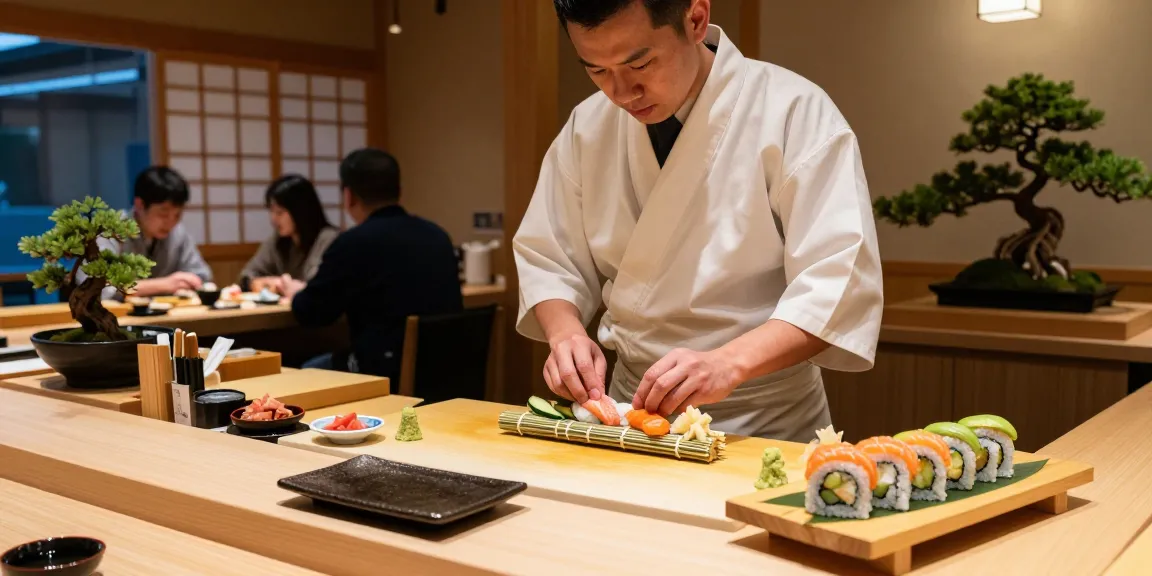
Understanding Sushi: Origins and Varieties
Sushi, a culinary art form that has transcended its Japanese roots, has captivated food lovers worldwide. Originating from the practice of preserving fish in fermented rice, sushi has evolved into a beloved dish featuring a variety of ingredients and styles. Today, sushi is not just a meal; it represents a deep cultural significance, symbolizing harmony, simplicity, and the celebration of seasonal ingredients. When exploring options, https://restaurant.sushitei.net provides comprehensive insights into this fascinating culinary genre.
What is Sushi and Its Cultural Significance?
Sushi is often defined as vinegared rice accompanied by a range of ingredients, including seafood, vegetables, and occasionally tropical fruits. Its cultural significance is woven into Japan's history, reflecting a deep respect for nature and seasonal variation. Traditionally, sushi was a method of preserving fish, enhancing its flavors while providing sustenance. As sushi spread across the globe, it adapted to local tastes and preferences, resulting in diverse interpretations that enrich its cultural tapestry.
Types of Sushi: Nigiri, Maki, and Sashimi Explained
There are several types of sushi, each showcasing different techniques and flavors:
- Nigiri: Hand-formed rice topped with a slice of fish or seafood. It's often garnished with wasabi and eaten with hands.
- Maki: Rolled sushi consisting of rice, filling, and seaweed. Maki can be further divided into hosomaki (small rolls) and uramaki (inside-out rolls).
- Sashimi: Thinly sliced raw fish or seafood, served without rice. It's a dish that emphasizes the quality of the fish itself.
Health Benefits of Sushi: A Nutritional Overview
Sushi is not only delicious but also offers numerous health benefits. Rich in omega-3 fatty acids, sushi, particularly those with fatty fish like salmon, promotes heart health. Furthermore, sushi contains antioxidants from ingredients like seaweed, and it's generally lower in calories compared to other meals when prepared without heavy sauces. Some rolls incorporate fresh vegetables, adding vitamins and fiber to the diet.
Choosing the Right Sushi Restaurant
Selecting the ideal sushi restaurant can elevate your dining experience. Factors to consider include the freshness of the ingredients, the expertise of the chefs, and the overall ambiance. A high-quality sushi restaurant will prioritize sourcing fresh fish and vegetables and showcase skilled chefs who honor traditional techniques while embracing innovation.
Key Features of a Quality Sushi Restaurant
When searching for a quality sushi spot, look for the following features:
- Fresh Ingredients: Daily deliveries of fish and vegetables are a must for authentic flavor.
- Chef Expertise: A skilled sushi chef can greatly influence the taste and presentation.
- Cleanliness: A clean environment reflects the restaurant's commitment to food safety.
How to Read Sushi Menus: Decoding Ingredients and Styles
Sushi menus can sometimes be overwhelming, especially for beginners. Look for familiar terms, but don't hesitate to ask for explanations. Knowing the difference between various types of sushi and common ingredients can enhance your order and make the experience more enjoyable.
Local vs. Chain: Selecting Your Sushi Experience
While chain sushi restaurants often provide consistency and a wider range of options, many local establishments offer unique experiences and authentic recipes. Supporting local sushi restaurants can provide a more personal touch and showcase regional specialties that chains may not offer.
Authentic Sushi Dining Experiences
To truly appreciate sushi, understanding the dining etiquette and enjoyment methods is essential. A genuine sushi experience goes beyond just eating; it involves respecting the tradition and the craftsmanship behind each piece.
The Etiquette of Sushi Dining: Do's and Don'ts
Respecting sushi dining etiquette enhances the experience:
- Do: Use chopsticks or hands to eat nigiri, and savor each piece in one bite.
- Don't: Pour soy sauce directly onto the rice; instead, dip the fish side.
- Do: Express your appreciation to the chef, which is seen as respectful.
Pairing Drinks with Sushi: Wine, Beer, or Sake?
The right drink can enhance the flavors of sushi significantly. Popular pairings include:
- Sake: Traditional Japanese rice wine that complements many sushi types.
- White Wine: Crisp whites, like Sauvignon Blanc, work well with light sushi.
- Beer: Light ales or lagers can cleanse the palate and enhance flavor nuances.
The Art of Sushi Presentation: What to Look For
The aesthetic aspect of sushi is equally important. Look for vibrant colors and precise cuts, as the visual appeal is a significant part of the sushi experience. Presentation reflects the chef's skill and adds to the overall enjoyment of the meal.
Sushi Making at Home: A Step-by-Step Guide
Bringing the sushi experience home can be rewarding and fun. With the right tools and ingredients, anyone can learn how to create delicious sushi rolls.
Essential Tools and Ingredients for Sushi Making
To begin your sushi-making journey, gather the following:
- Tools: Bamboo sushi mat, sharp knife, rice cooker, and a mixing bowl.
- Ingredients: Sushi rice, rice vinegar, nori (seaweed), and your choice of fillings (fish, vegetables, etc.).
Beginner's Recipes: Simple Sushi to Try
Start with simple recipes like:
- Nigiri: Just shape rice into small ovals and top with your chosen seafood.
- Maki Rolls: Lay nori on the bamboo mat, spread rice, add fillings, and roll tightly.
- Sushi Bowls: Deconstruct sushi into a bowl format for a quick and easy meal.
Tips for Perfect Sushi Rolls: Techniques and Tricks
To master sushi rolling, follow these tips:
- Keep a bowl of water nearby to moisten your hands and prevent the rice from sticking.
- Don't overfill your rolls; too much filling can make them difficult to roll.
- Practice makes perfect; the more you roll, the better you'll become!
Future Trends in Sushi Dining
The sushi landscape is continually evolving, with new trends shaping how we enjoy this beloved dish. Emphasis on sustainability and innovation is likely to define the future of sushi dining.
Sustainable Sushi: The Future of Seafood Sourcing
As environmental concerns grow, the sushi industry is moving towards sustainable seafood sourcing. Restaurants are increasingly seeking suppliers that practice ethical fishing, ensuring that seafood choices are not only delicious but also environmentally responsible.
Innovations in Sushi: Fusion and Gourmet Trends
Fusion cuisine is becoming more prevalent in sushi offerings, combining traditional Japanese elements with flavors from other culinary traditions. Gourmet sushi featuring unique ingredients or culinary techniques is also on the rise, appealing to adventurous eaters.
Exploring Virtual Sushi Experiences in 2026 and Beyond
With technology permeating every aspect of life, virtual sushi experiences are emerging. Online cooking classes, guided tastings, and even augmented reality sushi experiences can provide interactive ways to enjoy sushi from home.
What is the Best Way to Enjoy Sushi?
The best way to enjoy sushi is to savor each piece fully, appreciating the flavors and craftsmanship. Pair dishes with suitable drinks to enhance their taste and engage with the chef or staff to encourage a deeper appreciation of the cuisine.
How Can I Find Authentic Sushi Restaurants Near Me?
To find authentic sushi restaurants, seek out local reviews, food blogs, or social media recommendations. Websites dedicated to food and dining can provide valuable insights into local sushi spots and hidden gems.
What Ingredients Are Essential for Sushi Preparation?
Essential ingredients include sushi rice, rice vinegar, nori, fresh seafood, and various vegetables. Quality is key, so sourcing the best ingredients will ensure the best sushi experience, whether at home or in a restaurant.
How Do I Choose the Right Drink to Pair with Sushi?
Choosing the right drink depends on the type of sushi you are enjoying. Light, crisp beverages often pair well with delicate flavors, while richer drinks like sake complement heartier dishes. Experimentation will help you discover your favorite matches.
What Health Benefits Does Sushi Offer?
Sushi is a nutritious meal option that can offer a balanced intake of protein, healthy fats, and vitamins. With a focus on fresh ingredients, it's a delightful way to incorporate healthy dining into your lifestyle.